

Key Takeaways
- Pulmonary hypertension (PH) is a condition where pressure in the pulmonary arteries becomes abnormally high, affecting blood flow from the heart to the lungs.
- It is most commonly linked to heart or lung diseases and can progressively strain the right side of the heart.
- PH is classified into five groups based on its underlying cause, including left heart disease, lung disease, and chronic blood clots.
- Common symptoms include shortness of breath, fatigue, chest pain, swelling, dizziness, and rapid heartbeat.
- If left untreated, PH can lead to right heart failure and reduced oxygen delivery to the body.
- Diagnosis involves multiple tests such as echocardiograms, CT scan, V/Q scan, and right heart catheterization.
- While there is no cure, treatment options like medications, oxygen therapy, and surgery help manage symptoms and slow progression.
- Lifestyle changes such as exercise, diet control, smoking cessation, and stress management support better outcomes.
What is Pulmonary Hypertension?
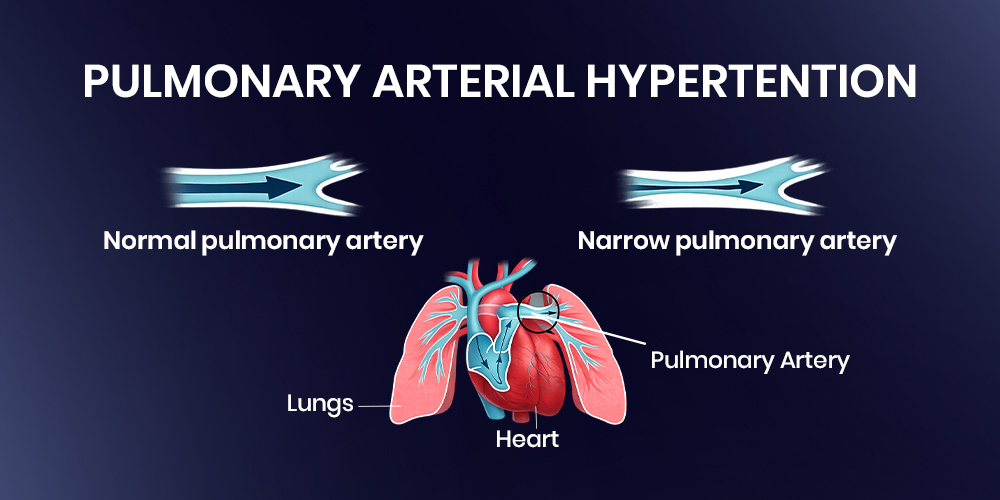
Pulmonary hypertension (PH) is a condition in which the blood pressure in the pulmonary arteries becomes abnormally high. These arteries are responsible for carrying blood from the right side of the heart to the lungs, where it receives oxygen.
PH can develop for many reasons, but it is most associated with underlying heart or lung diseases. Over time, the increased pressure puts strain on the pulmonary arteries, causing them to become narrowed and less able to carry blood efficiently.
As a result, the right ventricle of the heart, the chamber responsible for pumping blood into the lungs, has to work much harder than normal. This added workload can cause the right ventricle to enlarge, a condition known as the right ventricular hypertrophy.
If pulmonary hypertension continues to progress without treatment, the heart may eventually weaken, leading to right-sided heart failure. In severe cases, the condition can become life-threatening if not properly managed.
Types of Pulmonary Hypertension
The World Health Organization (WHO) classifies pulmonary hypertension into five main groups based on its underlying cause. This classification helps doctors identify the source of the condition and choose the most appropriate treatment approach.
Group 1: Pulmonary Arterial Hypertension (PAH)
This type involves direct damage or narrowing of small arteries in the lungs, which increases pressure in the pulmonary circulation.
Group 2: PH due to Left Heart Disease
This is the most common form and occurs when conditions affecting the left side of the heart, such as heart failure or valve disease, lead to increased pressure in the lungs.
Group 3: PH due to Lung Diseases or Low Oxygen Levels
This type develops as a result of chronic lung conditions, such as COPD or interstitial lung disease, or long-term low oxygen levels in the body.
Group 4: Chronic Thromboembolic Pulmonary Hypertension (CTEPH)
This form is caused by long-standing blood clots in the lungs that block or narrow the pulmonary arteries, restricting blood flow.
Group 5: PH with Unclear or Multifactorial Causes
This category includes conditions that are associated with pulmonary hypertension but do not fit clearly into the other groups, and the exact mechanism is not fully understood.
Causes and Risk Factors of Pulmonary Hypertension
Pulmonary hypertension can develop due to several underlying medical conditions and contributing risk factors. In many cases, it is the result of another disease affecting the heart, lungs, or blood vessels.
Heart Conditions
Diseases that affect the structure or function of the heart, especially the left side, can increase pressure in the pulmonary arteries over time.
Lung Diseases
Chronic lung conditions such as chronic obstructive pulmonary disease (COPD) and interstitial lung disease can reduce oxygen levels in the blood, leading to increased strain on the lung circulation.
Blood Clots in the Lungs
Previous or recurring blood clots in the pulmonary arteries can block or narrow blood flow, which may lead to chronic thromboembolic pulmonary hypertension (CTEPH).
Genetic Factors
In some cases, pulmonary hypertension can run in families. Certain inherited gene mutations may increase a person’s susceptibility to developing the condition.
Autoimmune Diseases
Conditions such as systemic sclerosis, lupus, and rheumatoid arthritis can damage blood vessels and contribute to the development of pulmonary hypertension.
Lifestyle and Environmental Risks
Long-term exposure to high altitude, certain drugs or toxins, and unhealthy lifestyle habits such as smoking can also increase the risk of developing pulmonary hypertension.
Symptoms of Pulmonary Hypertension
The symptoms of pulmonary hypertension often develop gradually and may worsen over time as the condition progresses. In the early stages, they can be mild and easily mistaken for other health problems.
- Shortness of breath (especially during activity)
- Fatigue and weakness
- Chest pain or pressure
- Swelling in the ankles, legs, or abdomen
- Dizziness or fainting spells
- Rapid heartbeat (palpitations)
How Pulmonary Hypertension Affects the Body
Pulmonary hypertension affects more than just the lungs; it gradually impacts the heart and the body’s ability to circulate oxygen efficiently. As the condition progresses, it places increasing stress on the cardiovascular system.
Increased Pressure in the Pulmonary Arteries
The blood vessels in the lungs become narrowed or stiffened, which leads to higher pressure as blood flows through them. This makes it harder for blood to move from the heart to the lungs.
Strain on the Right Side of the Heart
The right ventricle has to work harder to push blood against this increased resistance. Over time, this extra effort causes the heart muscle to weaken and enlarge.
Development of Right Heart Failure (Cor Pulmonale)
With ongoing strain, the right side of the heart may eventually become unable to pump effectively. This condition, known as cor pulmonale, is a serious complication of pulmonary hypertension.
Reduced Oxygen Delivery to the Body
Because blood flow through the lungs is impaired, oxygen exchange becomes less efficient. As a result, the body receives less oxygen, which contributes to fatigue, weakness, and other systemic symptoms.
Diagnosis and Tests for Pulmonary Hypertension
Diagnosing pulmonary hypertension can be challenging because its symptoms often resemble those of other heart and lung conditions. To identify the condition accurately, healthcare providers combine a physical examination with several diagnostic tests.
Initial Physical Examination
During the first assessment, a healthcare provider looks for signs that may suggest pulmonary hypertension or related heart and lung problems. This may include:
- Measuring vital signs such as blood pressure and oxygen levels
- Listening to the heart and lungs using a stethoscope
- Checking for enlarged or bulging neck veins, which may indicate strain on the heart
- Examining the abdomen, legs, and ankles for swelling caused by fluid retention
Because pulmonary hypertension shares symptoms with many other conditions, further testing is usually required to confirm the diagnosis and identify the underlying cause.
Diagnostic Tests for Pulmonary Hypertension
Blood Tests
These help evaluate organ function, hormone levels, and possible infections or autoimmune conditions that may be contributing to the disease.
Chest X-Ray
This imaging test can show enlargement of the right side of the heart or pulmonary arteries, which are common indicators of pulmonary hypertension.
Chest CT Scan
A CT scan provides detailed images of the lungs and can help detect blood clots or other lung diseases that may cause or worsen the condition.
Doppler Echocardiogram
This test evaluates how well your heart pumps and measures blood flow through the heart valves, helping to detect abnormalities in circulation.
Right Heart Catheterization
This test measures the pressure in your pulmonary arteries and evaluates how much blood your heart pumps per minute. It is the most accurate test and is used to confirm a diagnosis of pulmonary hypertension.
Six-Minute Walk Test
This simple exercise test measures how far a patient can walk in six minutes while monitoring oxygen levels and overall exercise tolerance.
Ventilation/Perfusion (V/Q) Scan
A V/Q scan is a nuclear imaging test that assesses airflow (ventilation) and blood flow (perfusion) in the lungs to help detect pulmonary embolisms (blood clots).
COPD with Eosinophilic Phenotype Clinical Trials
Discover Innovative Treatment Options
Clinical trials may offer new ways to manage COPD symptoms and improve breathing for those with an eosinophilic phenotype.
Treatment of Pulmonary Hypertension
Pulmonary hypertension has no complete cure, but treatment can effectively manage symptoms, improve quality of life, and slow disease progression. Since the condition varies from person to person, finding the most suitable treatment plan may take time. Regular monitoring and frequent medical checkups are essential to ensure the treatment remains effective.
Medications
Medications play a central role in managing pulmonary hypertension. They not only help relieve symptoms but also reduce complications and improve heart and lung function. Common options include:
- Vasodilators: These medications relax and widen narrowed blood vessels, improving blood flow in the lungs. Depending on the condition, they may be inhaled, taken orally, or administered intravenously—sometimes through a continuous pump.
- Soluble guanylate cyclase (sGC) stimulators: These drugs help relax pulmonary arteries and lower lung pressure. However, they are not recommended during pregnancy.
- Endothelin receptor antagonists: These medications block substances that cause blood vessels to narrow, helping improve symptoms and energy levels.
- Phosphodiesterase-5 (PDE5) inhibitors: These drugs increase blood flow through the lungs and are also used for other conditions like erectile dysfunction.
- Calcium channel blockers (high-dose): These medications relax the muscles in blood vessel walls. However, they are only effective in a small group of patients with pulmonary hypertension.
- Anticoagulants (blood thinners): Medications like anticoagulants help prevent blood clots, reducing the risk of complications. However, they may increase bleeding risk, especially during surgeries or invasive procedures.
- Digoxin: This medication strengthens heart contractions and helps regulate abnormal heart rhythms.
- Diuretics (water pills): These drugs help remove excess fluid from the body, reducing strain on the heart and minimizing swelling in the lungs, legs, and abdomen.
Oxygen Therapy
Oxygen therapy may be recommended for individuals with low oxygen levels, especially those living at high altitudes or with conditions like sleep apnea. In some cases, continuous oxygen support is necessary to maintain an adequate oxygen supply in the body.
Overall, treatment plans are often personalized and may involve a combination of therapies to achieve the best possible outcomes.
Surgical Options for Severe Cases
When medications are not enough to control pulmonary hypertension, certain procedures or surgical options may be considered. These approaches are typically reserved for more advanced cases or when symptoms continue to worsen despite treatment.
Atrial Septostomy:
This procedure may be recommended when symptoms remain severe and unresponsive to medications. It involves creating a small opening between the upper chambers of the heart (atria). This opening helps reduce pressure on the right side of the heart and can improve blood flow. However, it carries risks, including irregular heart rhythms (arrhythmias) and reduced oxygen levels.
Lung or Heart-Lung Transplant:
In severe cases, particularly in younger individuals with idiopathic pulmonary arterial hypertension, a lung or combined heart-lung transplant may be considered. This option is usually reserved for cases where other treatments have failed. After the transplant, lifelong medications are required to prevent the immune system from rejecting the new organ.
Overall, these procedures are carefully evaluated on an individual basis, considering the severity of the condition, overall health, and response to previous treatments.
The Role of Pulmonary Clinical Trials in Advancing Respiratory Care
Pulmonary clinical trials play a vital role in advancing the diagnosis, management, and treatment of respiratory conditions by evaluating potential new therapies, medications, and care approaches. These studies help researchers understand disease progression and improve patient outcomes through evidence-based innovations. For example, chronic obstructive pulmonary disease clinical trials are ongoing and focus on developing more effective treatments, reducing symptom burden, and enhancing quality of life for individuals living with COPD.
COPD with Eosinophilic Phenotype Clinical Trials
Discover Innovative Treatment Options
Clinical trials may offer new ways to manage COPD symptoms and improve breathing for those with an eosinophilic phenotype.
Conclusion:
In conclusion, pulmonary hypertension is a serious condition that requires early diagnosis and ongoing management. With appropriate treatment, lifestyle adjustments, and regular monitoring, many individuals can improve symptoms and maintain quality of life. Continued research and clinical trials also offer hope for more effective therapies and better outcomes in the future.
FAQs About Renal Hypertension
How to reverse pulmonary hypertension naturally?
Although pulmonary hypertension (PH) cannot be cured naturally, its symptoms can be managed, and quality of life improved through lifestyle changes such as regular supervised exercise, a low-sodium diet, quitting smoking, and effective stress management.
What is the main cause of pulmonary hypertension?
Left-sided heart disease, such as heart failure or valve disorders, is the most common cause of pulmonary hypertension. It raises pressure in the lungs by restricting normal blood flow, which can cause the pulmonary arteries to become stiff and narrow.
What is the final stage of pulmonary hypertension?
End-stage pulmonary hypertension is characterized by severe, persistent symptoms that may occur even at rest. At this stage, the heart and lungs are no longer able to compensate effectively, leading to significantly reduced oxygen delivery throughout the body.

