

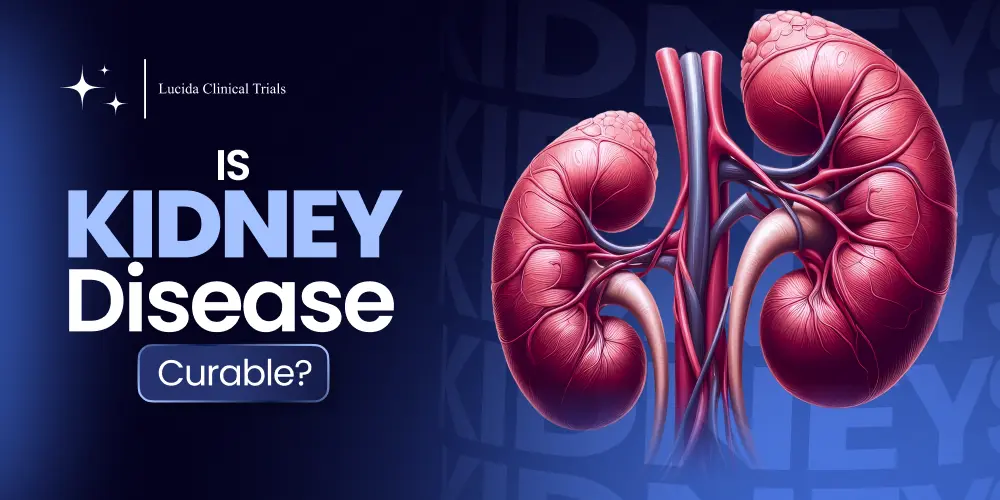
Key Takeaways
- Kidney disease includes both acute and chronic conditions.
- Acute kidney failure may be reversible with timely treatment.
- Chronic kidney disease is not curable but manageable.
- Genetic factors can contribute to kidney disease.
- Weight gain in kidney disease is often due to fluid retention.
This blog explores kidney disease in depth, covering whether it can be cured, its causes, hereditary aspects, associated symptoms like weight gain, and the role of modern medicine, including clinical research and emerging therapies.
Understanding Kidney Disease
Kidneys are vital organs responsible for filtering waste, balancing fluids, regulating blood pressure, and maintaining electrolyte balance. When kidney function declines, it can affect multiple systems in the body.
Kidney disease is broadly categorized into two main types:
- Acute Kidney Failure (Acute Kidney Injury – AKI)
- Chronic Kidney Disease (CKD)
Acute kidney failure is a sudden decline in kidney function, often caused by dehydration, infections, or medication toxicity. In contrast, chronic kidney disease develops gradually over time and is usually linked to long-term conditions like diabetes or hypertension.
Globally, kidney disease contributes significantly to morbidity and mortality, with many patients eventually requiring dialysis or transplantation in advanced stages.
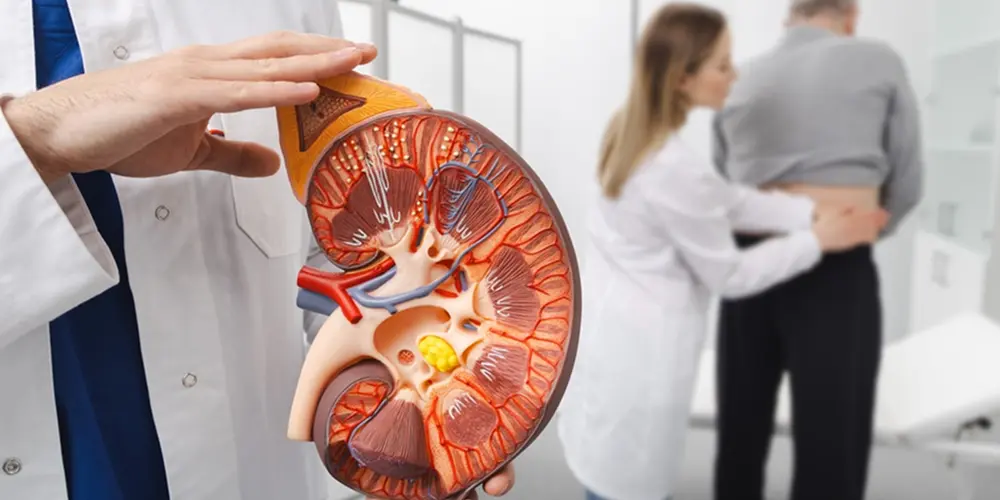
Is Kidney Disease Curable?
The curability of kidney disease depends largely on its type:
-
Acute Kidney Failure: Often Reversible
In many cases, acute kidney failure is reversible, especially if diagnosed early and treated promptly. Addressing the underlying cause, such as infection, dehydration, or drug toxicity, can allow kidney function to recover partially or completely.
However, recovery is not guaranteed. Severe cases may lead to long-term damage or progression to chronic kidney disease. Studies show that a significant number of AKI patients may later develop CKD or even end-stage kidney disease.
-
Chronic Kidney Disease: Not Curable but Manageable
Chronic kidney disease, on the other hand, is generally not curable. It is a progressive condition, meaning the kidney function declines over time.
That said, CKD can be effectively managed. With early diagnosis, lifestyle changes, medications, and regular monitoring, progression can be slowed significantly. Many patients live long, stable lives without reaching advanced stages.
-
End-Stage Kidney Disease
When kidney function drops below a critical level, patients may require:
- Dialysis
- Kidney transplantationA transplant can restore kidney function, but it is not considered a complete cure, as lifelong medical care is still required.
Causes of Kidney Disease
Kidney disease arises from a variety of causes, including:
- Diabetes (leading cause worldwide)
- High blood pressure
- Autoimmune disorders
- Infections
- Medications and toxins
- Genetic conditions
Understanding the cause is crucial because some forms are preventable or reversible if identified early.
Symptoms of Kidney Disease
Kidney disease is often called a “silent disease” because symptoms may not appear until significant damage has occurred. Common symptoms include:
- Fatigue and weakness
- Swelling (edema)
- Changes in urination
- Nausea and vomiting
- High blood pressure
- Muscle cramps
Early detection through routine tests (such as serum creatinine and urine analysis) is crucial for better outcomes.
Wilms Tumor and Kidney Disease
Wilms tumor is a rare type of kidney cancer that primarily affects children. Although it is not a typical cause of chronic kidney disease, it can impact kidney function depending on the severity and treatment.
Early diagnosis and treatment of Wilms tumor often lead to good outcomes, and many children recover completely. However, in some cases, long-term kidney monitoring is necessary.
Acute Kidney Failure vs Chronic Kidney Disease
Understanding the difference between acute and chronic conditions helps clarify the concept of curability.
- Acute kidney failure develops suddenly and may be reversible, especially with timely intervention. It often occurs in hospitalized patients and can be triggered by multiple factors such as low blood flow, infections, or toxins.
- Chronic kidney disease progresses slowly over months or years. It is usually irreversible but manageable with proper care. The goal in CKD is not cure but preservation of remaining kidney function.
Chronic Kidney Disease and High Blood Pressure Clinical Trials
Explore New Options for Better Care
Clinical trials may offer new ways to manage your condition effectively.
Is Kidney Disease Hereditary?
Genetic disorders can significantly increase the risk of kidney damage and failure. Research shows that individuals with inherited kidney conditions have a higher likelihood of faster disease progression and reduced chances of remission.
Examples of hereditary kidney diseases include:
- Polycystic kidney disease
- Alport syndrome
- Certain glomerular disorders
A family history of kidney disease should prompt early screening and regular monitoring.
Can Kidney Disease Cause Weight Gain?
Yes, kidney disease can lead to weight gain, but not in the way most people think. The weight gain is usually due to fluid retention, not fat accumulation. When kidneys fail to remove excess fluid effectively, it builds up in the body, causing:
- Swelling in the legs, ankles, and face
- Rapid weight gain
- Shortness of breath in severe cases
In contrast, some patients—especially those with advanced kidney disease—may experience weight loss due to poor appetite and metabolic changes.
The Role of Lifestyle in Kidney Health
Lifestyle plays a critical role in both prevention and management. Healthy habits include:
- Maintaining optimal blood sugar and blood pressure
- Eating a balanced, low-salt diet
- Staying hydrated
- Avoiding excessive use of painkillers
- Regular exercise
These measures can significantly reduce the risk of progression in chronic kidney disease.
Clinical Trials for Chronic Kidney Disease
Clinical Research Organizations (CROs) play a crucial role in advancing kidney disease treatment. They manage and conduct clinical research studies that evaluate new drugs, devices, and therapies. Nephrology clinical trials focus on kidney-related diseases and aim to improve treatment strategies. These trials are essential for:
- Developing safer and more effective drugs
- Understanding disease mechanisms
- Improving patient quality of life
Chronic Kidney Disease and High Blood Pressure Clinical Trials
Explore New Options for Better Care
Clinical trials may offer new ways to manage your condition effectively.
Final Thoughts:
Kidney disease is a complex and often long-term condition, and the question “is kidney disease curable” does not have a single universal answer. The outcome varies significantly depending on the type, underlying cause, and how early the condition is identified. For individuals living with chronic kidney disease, the focus shifts from cure to control and preservation. Early diagnosis, consistent monitoring, and strict management of contributing factors like diabetes and hypertension can significantly delay disease progression.
While a complete cure for most chronic kidney diseases remains a challenge, early intervention, informed care, and continuous medical advancements are transforming the way kidney disease is managed. Advancements in areas such as Clinical Trials for Chronic Kidney Disease and Nephrology Clinical Trials are opening new possibilities for slowing progression, improving outcomes, and enhancing quality of life.

