

Key Takeaways:
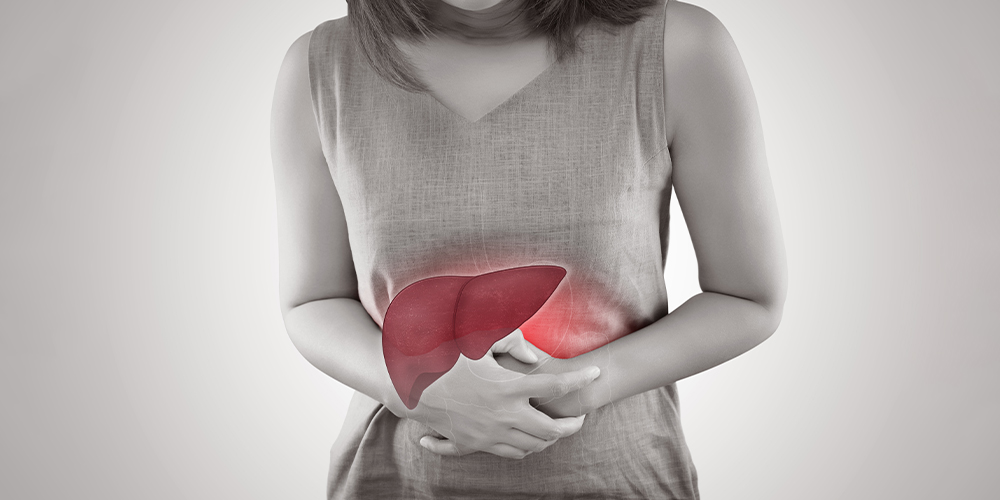
- Fatty liver occurs when excess fat builds in the liver, often due to obesity, diabetes, or alcohol use.
- Early stages are usually silent, making screening and monitoring important.
- Persistent fat can lead to inflammation, fibrosis, and in severe cases, cirrhosis.
- Treatment focuses on lifestyle changes, including diet, exercise, and managing underlying conditions.
- Clinical trials and research explore new therapies to reduce liver fat, control inflammation, and improve long-term liver health.
What Is Fatty Liver Disease?
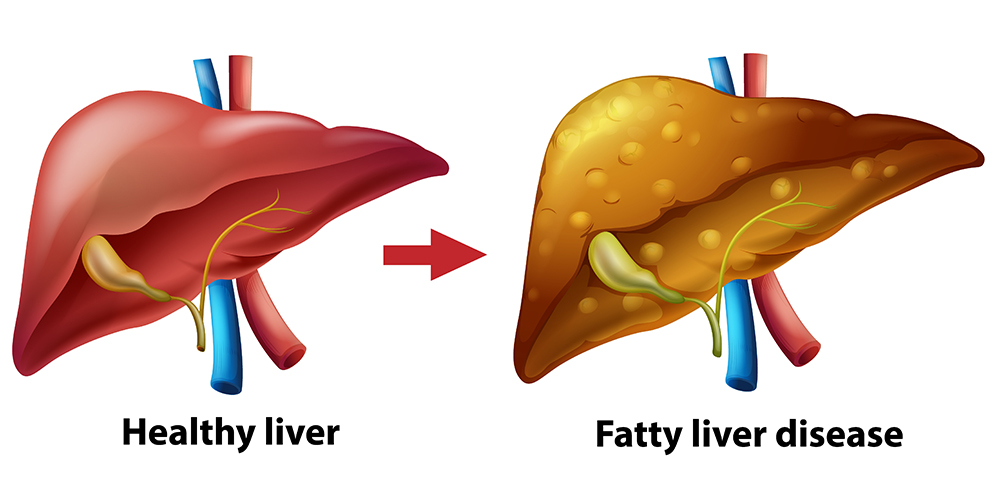
When fat accounts for more than 5–10% of the liver’s total weight, the condition is considered fatty liver disease. While a small amount of fat in the liver is normal and harmless, excessive fat buildup can interfere with the liver’s ability to process nutrients, remove toxins, and support overall metabolism. Moreover, it is considered normal, but the small amounts of fat in the liver adds up and then accounts for a significant portion of liver tissue, it may signal an underlying metabolic imbalance. The condition is generally identified through blood tests, imaging studies, or, in some cases, a liver biopsy. Moreover, fatty liver is commonly grouped into two main types: alcoholic fatty liver disease and nonalcoholic fatty liver disease. Although these forms share similar features, they develop different reasons and may follow different clinical paths.
What Causes Fatty Liver?
Fatty liver occurs when the liver stores more fat than it can safely handle, a process influenced by diet, metabolic health, and alcohol consumption. The liver plays a central role in processing nutrients, regulating metabolism, and storing energy, so excess fat can gradually affect its normal function. When calorie intake consistently exceeds the body’s energy needs, the extra energy is often stored as fat. While some fat storage is normal, too much can accumulate in the liver and impair its function. Several factors increase this risk, including obesity, insulin resistance, type 2 diabetes, high cholesterol, and a sedentary lifestyle. In alcoholic fatty liver disease, regular or excessive alcohol intake interferes with the liver’s normal metabolism of fats, causing fat to build up within liver cells. Over time, this can trigger liver inflammation and, in some cases, more serious liver changes.
Fatty Liver Disease Symptoms and Signs
Fatty liver can be difficult to detect early because it often develops quietly. Many people do not notice any problems until the condition progresses. Common symptoms and signs include:
- Few or no noticeable symptoms in early stages, so many feel generally well.
- Subtle and nonspecific symptoms, such as:
- Fatigue or low energy
- Mild discomfort or fullness in the upper right abdomen
- More noticeable signs as the disease progresses, including:
- Persistent tiredness
- Abdominal fullness or bloating
- Physical findings such as a swollen liver (hepatomegaly) during exams or imaging studies.
Alcoholic and Nonalcoholic Fatty Liver Disease
Alcoholic fatty liver is directly linked to alcohol exposure and is often reversible in its early stages when alcohol intake is reduced or stopped. Continued exposure, however, increases the likelihood of more severe liver injury. Nonalcoholic fatty liver disease develops independently of alcohol use and is closely associated with metabolic health. This has become increasingly common worldwide, largely due to rising rates of obesity and diabetes. However, the underlying causes of both types require monitoring to prevent long-term liver damage.
Liver Inflammation and Disease Progression
Fat accumulation alone does not always cause liver injury. However, in some individuals, fatty liver progresses to a stage where inflammation develops. Liver inflammation reflects an immune response to ongoing liver stress and may lead to scarring over time.
If inflammation persists, fibrosis can occur, gradually altering the liver’s structure. Moreover, advanced fibrosis may eventually progress to cirrhosis, which significantly affects liver function. Because this progression is often slow and silent, early recognition and intervention remain essential.
Fatty Liver Disease Clinical Trials
Take a Step Toward Better Liver Health
Your participation in a Fatty Liver Disease clinical trial could help lead to better treatments for many.
Fatty Liver Disease Treatments
Treatment for fatty liver disease primarily focuses on addressing the underlying causes rather than directly targeting liver fat. Lifestyle changes and management of related health conditions are the foundation of care, while research continues to explore new therapies.
- Gradual weight reduction to support liver health
- Following a balanced, nutritious diet
- Engaging in regular physical activity
- Controlling diabetes, high cholesterol, and other metabolic conditions
- Reducing or eliminating alcohol intake for individuals with alcoholic fatty liver disease
- Participating in clinical research aimed at reducing liver fat, limiting inflammation, and slowing disease progression.
Clinical Trials and Research in Fatty Liver Disease
Clinical trials and research studies are advancing treatments for hepatic steatosis, including NASH, MASH, and MASLD, which are the updated terms for fatty liver. MASLD clinical trials focus on improving metabolic health and reducing liver fat to slow or prevent disease progression. Participants may access potential new therapies under close medical supervision while contributing to scientific knowledge that improves long-term outcomes for people living with fatty liver. Broader clinical research studies also provide insights into effective treatment strategies, early detection, and management approaches that benefit patients worldwide.
The Role of Trusted Research Organizations
Gastroenterology research studies explore how liver and digestive system health are affected by conditions such as fatty liver. Conducted by trusted clinical research organizations (CROs), these studies ensure patient safety, ethical oversight, and high-quality management. Working with a reliable CRO allows participants to receive expert care, access expert monitoring, and contribute to the development of innovative treatments while supporting medical research.
Is Fatty Liver Disease Reversible?
Many patients often ask whether fatty liver is reversible, and the answer is yes, it is. In early stages, evidence suggests that reducing liver fat through sustained lifestyle changes may improve liver health and, in some cases, reverse fat accumulation. The likelihood of reversal depends on disease severity, overall metabolic health, and the stage at which the condition is identified.
Life Expectancy with Fatty Liver Disease
Life expectancy with fatty liver disease varies widely and is influenced by disease stage and associated health conditions. Individuals with simple fatty liver and no inflammation often maintain normal life expectancy, particularly when risk factors are well managed. However, progression to advanced fibrosis or cirrhosis can increase the risk of liver-related complications and affect long-term outcomes. Regular monitoring and timely intervention can significantly improve prognosis and maintain quality of life.
Fatty Liver Disease Clinical Trials
Take a Step Toward Better Liver Health
Your participation in a Fatty Liver Disease clinical trial could help lead to better treatments for many.
Conclusion
Fatty liver disease often develops quietly, making it easy to overlook in its early stages. However, understanding its causes, whether metabolic factors, lifestyle habits, or alcohol-related effects, can help individuals take proactive steps to protect liver health with fatty liver disease clinical trials. Treatment options, including lifestyle changes, medical guidance, and participation in clinical research studies, can help reduce liver fat, manage inflammation, and prevent disease progression. By staying informed, monitoring liver health, and working closely with healthcare providers, individuals can support long-term liver function and overall well-being. To explore potential new treatment options and contribute to ongoing research, consider participating in clinical trials with trusted organizations like Lucida Clinical Trials.
Frequently Asked Questions
How to reverse fatty liver?
Early-stage fatty liver may improve with sustained lifestyle changes, including weight management, dietary adjustments, and physical activity.
Is fatty liver dangerous?
Fatty liver is not always immediately harmful, but progression can increase the risk of serious liver complications if left untreated.
How to reduce fatty liver quickly?
Gradual, medically guided weight loss and metabolic control are considered safer and more effective than rapid approaches.
How to get rid of fatty liver?
Complete reversal depends on disease stage, but many individuals can significantly reduce liver fat and slow progression through appropriate care.

