

Quick Answer
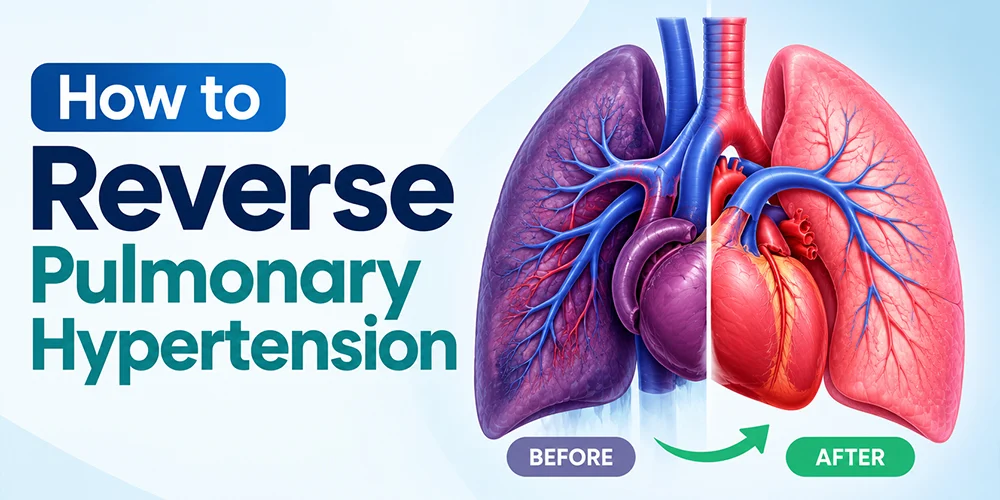
Pulmonary hypertension raises blood pressure in the lung arteries and strains the right side of the heart. Full reversal depends on the cause. Some forms respond well to treatment and even improve significantly, while others need lifelong management. This guide breaks down how to reverse pulmonary hypertension where possible, and how to manage it when a cure is not on the table.
Key Takeaways
- Reversal is possible for some causes, especially when caught early
- Medications, oxygen therapy, and lifestyle shift slow progression and ease symptoms
- Diet, weight management, and activity levels directly affect lung artery pressure
- Clinical trials offer access to newer treatments beyond standard care
- Untreated pulmonary hypertension can shorten life expectancy, so early diagnosis matters
Medical Disclaimer
This article is for informational purposes only and does not replace medical advice. Always consult your pulmonologist or cardiologist before starting, stopping, or changing any treatment for pulmonary hypertension.
Understanding the Condition Before You Try to Reverse It
What is pulmonary hypertension, exactly?
It happens when blood pressure inside the arteries connecting the heart to the lungs climbs above normal. The right ventricle has to work harder to push blood through, and over months or years, that extra strain thickens and weakens the heart muscle.
How is pulmonary hypertension diagnosed?
Doctors typically start with an echocardiogram to estimate pressure in the pulmonary arteries. If numbers look off, a right heart catheterization confirms the diagnosis and measures exact pressures. Blood tests, CT scans, and a six-minute walk test often follow to pin down the cause and severity.
Common triggers include:
- Chronic lung disease, including COPD
- Left-sided heart problems
- Blood clots in the lungs
- Autoimmune conditions like scleroderma
- Genetic mutations, in rarer cases
Is Pulmonary Hypertension Curable?
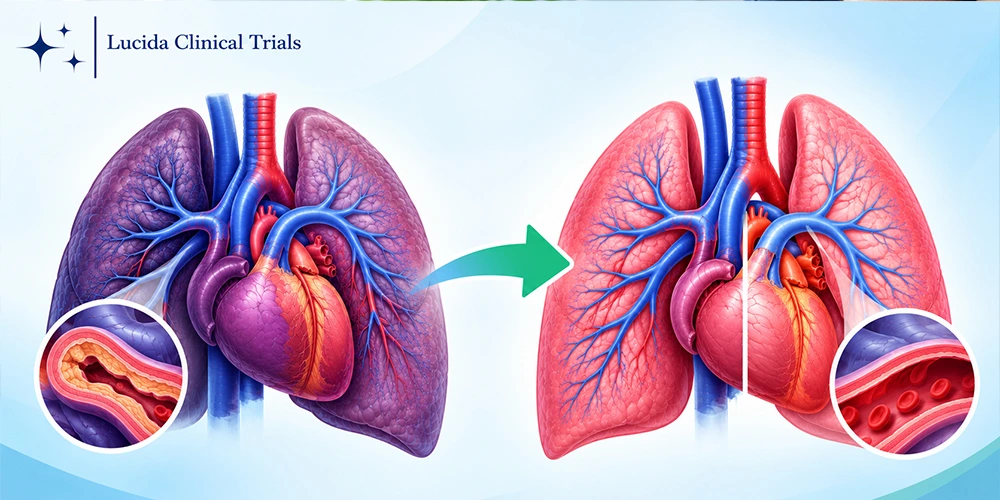
Not always, but sometimes, yes. When pulmonary hypertension develops because of a treatable trigger, such as a thyroid disorder, sleep apnea, or a blood clot, fixing that root cause can bring pressures back to normal. Case reports have documented full resolution after conditions like hyperthyroidism were treated.
Idiopathic pulmonary arterial hypertension is a different story. It has no clear cause, and current medicine cannot cure it outright. Treatment instead focuses on slowing damage and improving quality of life. So, the honest answer to “is pulmonary hypertension curable” depends entirely on which type you are dealing with.
Pulmonary Hypertension and Heart Failure Connection
The lungs and heart do not work in isolation. Congestive heart failure is one of the most common drivers of pulmonary hypertension, particularly when the left side of the heart struggles to pump efficiently.
There is also a difference worth knowing: systolic vs diastolic heart failure. Systolic heart failure means the heart cannot squeeze strongly enough. Diastolic failure means it cannot relax and fill properly between beats. Both raise pressure backward into the lungs, feeding the cycle of pulmonary hypertension.
This connection can also stretch to the kidneys. Cardiorenal syndrome describes what happens when heart dysfunction damages kidney function, or the reverse. Fluid builds up, blood pressure climbs, and the lungs take on more strain. Treating the heart, in many cases, is a direct step toward treating the lungs too.
How to Reverse Pulmonary Hypertension: What Actually Works
This is the section most patients want. Reversal is not one pill or one procedure. It is a combination of medical treatment and daily habits working together.
Treat the Root Cause First
If a blood clot, valve problem, or sleep disorder triggered the condition, addressing that directly gives the best shot at real improvement. Surgery to remove chronic clots, for instance, has reversed pulmonary hypertension in select patients entirely.
Use Targeted Medications
Several drug classes lower pressure in the pulmonary arteries:
- Endothelin receptor antagonists relax blood vessels
- PDE5 inhibitors improve blood flow
- Prostacyclin therapies reduce arterial resistance
- Diuretics manage fluid buildup and ease heart strain
Adjust Daily Habits
Obesity hypoventilation syndrome often overlaps with pulmonary hypertension, since excess weight restricts breathing and raises lung pressure. Losing even modest weight, staying active within tolerance, and using supplemental oxygen as prescribed all support the reversal process.
COPD with Eosinophilic Phenotype Clinical Trials
Discover Innovative Treatment Options
Clinical trials may offer new ways to manage COPD symptoms and improve breathing for those with an eosinophilic phenotype.
Diet for Pulmonary Hypertension
Food choices will not cure this condition alone, but they influence how hard the heart and lungs have to work.
- Cut sodium to reduce fluid retention and swelling
- Choose lean proteins and vegetables over processed meals
- Limit fluid intake if a doctor recommends it
- Avoid excess caffeine and alcohol, both of which stress the cardiovascular system.
- Watch potassium levels closely if taking diuretics
Small, consistent changes to a diet for pulmonary hypertension often show up in fewer symptoms within weeks.
How to Manage Pulmonary Hypertension Day to Day
Even without full reversal, daily management keeps people functional and active.
- Track weight daily to catch fluid buildup early
- Pace physical activity instead of pushing through fatigue
- Keep every follow-up appointment, since pressure levels shift over time
- Avoid high altitudes and long flights without medical clearance
- Get vaccinated against flu and pneumonia, since infections strain the lungs further
Learning how to manage pulmonary hypertension is just as important as chasing reversal, especially for patients whose condition is chronic rather than curable.
Can Pulmonary Hypertension Improve?
Yes, for many patients it can. Improvement does not always mean pressures return to textbook normal. It often means fewer symptoms, more stamina, and slower disease progression. Six-minute walk distances, a common measure doctors use, frequently increase after a few months of proper treatment. That is a real, trackable sign that learning how to reverse pulmonary hypertension is paying off, even without a complete cure.
Is Pulmonary Hypertension Life-Threatening?
It can be, particularly without treatment. Untreated pulmonary arterial hypertension carries a median survival of under three years in some studies. That statistic sounds harsh, but survival rates have improved substantially since newer therapies became available. Early diagnosis, consistent treatment, and lifestyle changes all shift the odds in a patient’s favour.
Exploring Clinical Trials for New Treatment Options
Standard treatment does not work equally well for everyone. That is where pulmonology clinical trials come in. These studies test emerging drugs and combination therapies before they reach general use, often giving patients access to options not yet available elsewhere. Some trials, including COPD clinical trials, also matter here, since chronic lung disease frequently overlaps with pulmonary hypertension and shares treatment research.
COPD with Eosinophilic Phenotype Clinical Trials
Discover Innovative Treatment Options
Clinical trials may offer new ways to manage COPD symptoms and improve breathing for those with an eosinophilic phenotype.
Conclusion
Figuring out how to reverse pulmonary hypertension takes patience, the right medical team, and consistent follow-through. Some patients get close to full reversal. Others manage the condition long term while living full, active lives. Outcome beats ignoring the symptoms.
For those exploring options beyond standard treatment, Lucida clinical trials in Massachusetts connect patients with active pulmonology research, including studies relevant to chronic lung and heart conditions.
FAQs About Renal Hypertension
How to reverse pulmonary hypertension naturally?
There is no proven natural cure. Healthy eating, appropriate exercise, quitting smoking, and managing underlying conditions can support medical treatment.
How long can you live with pulmonary hypertension?
Life expectancy varies based on the type, severity, underlying cause, and response to treatment. Some people manage the condition for many years with proper care.
Is dying from pulmonary hypertension painful?
Advanced pulmonary hypertension can cause severe breathlessness and discomfort. Medical teams can provide treatment to manage symptoms and maintain comfort.
Does pulmonary hypertension cause high blood pressure?
Pulmonary hypertension affects blood pressure in the lung arteries, while high blood pressure affects arteries throughout the body. They are different conditions but can be related.
Is pulmonary hypertension in newborns curable?
Some newborns with persistent pulmonary hypertension can recover fully with timely treatment. The outcome depends on the cause, severity, and response to treatment.

